2026-10-28
Worried About Hilloweave Nodules in Yongsan? Symptoms to Watch for by Timeline
Nodules after Hilloweave can't be fully ruled out. This guide covers nodule types, when they appear, pre-treatment checks, aftercare, and signs that need prompt medical attention.

If you've been looking into Hilloweave, you've probably noticed that “Hilloweave nodules” automatically appears in the search bar.
It's also the thing people considering this treatment worry about most.
To be honest, we cannot guarantee 100% that nodules will never occur.
What you can do is know in advance when they can occur, when to get checked, and how they are evaluated at the clinic,
so you can start with much less anxiety.
Today, for those considering Hilloweave in Yongsan,
we've summarized the types of nodules, when they appear, post-treatment care, and the signs that mean you should contact the clinic right away.
What this article covers
What is Hilloweave treatment for?
What are nodules? Not all lumps are the same
Nodules and post-treatment reactions by timeline
What to tell us at your pre-treatment consultation
Post-treatment care and precautions
Don't wait on these signs. Contact us
Frequently asked questions

1. What is Hilloweave treatment for? Yongsan Hilloweave nodules
When we consult with patients, one of the first questions many ask is, “Is Hilloweave a filler or a skin booster?”
The short answer: it sits somewhere between the two.
Like fillers, it is based on hyaluronic acid, and in terms of medical device classification, it falls under the same category as fillers: biomaterials for tissue repair.
In practice, however, it is often introduced as a skin booster that improves the overall condition of the skin, so it's hard to define in just one way.
That's why in consultations, we first ask, “Which area is the concern, and is this treatment suitable for that area?” rather than just “What results are you looking for?”
The information on nodules and precautions in this article was compiled with reference to the MFDS (Ministry of Food and Drug Safety) guidelines on the safe use of dermal fillers.
Individual reactions vary, so after treatment, please follow the instructions our clinic provides first.
2. What are nodules? Not all lumps are the same. Yongsan Hilloweave nodules
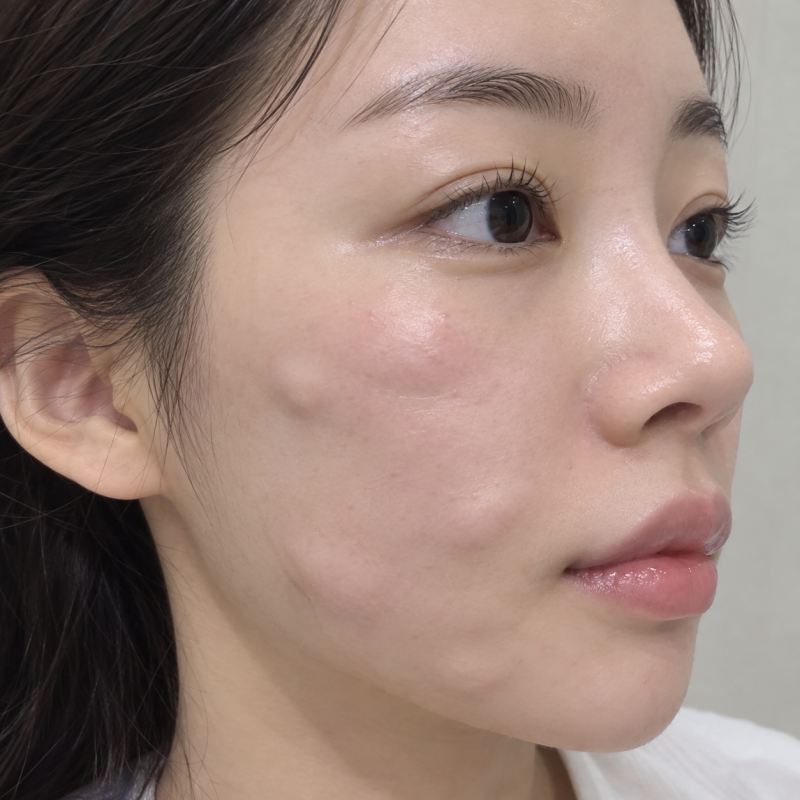
A nodule refers to a small lump or bump that can be felt at the treatment site.
Even when they look similar on the surface, the causes and appropriate responses can differ, so it helps to understand the distinction.
Category | Temporary lump | Late-appearing nodule |
When it appears | Right after treatment to a few days later | A few weeks to several months later |
Common presentation | A bumpy feel at the injection site, along with swelling | A new lump that appears, or a lump that grows after being fine for a while |
Possible accompanying symptoms | Bruising, swelling, itching, redness | Pain, redness, warmth, etc. (when accompanied by inflammation) |
Course | Often subsides over time | It may not resolve on its own, so it needs to be checked by a doctor |
Response | Follow aftercare instructions and monitor | Check for inflammation and decide on the approach during an exam |
※ This is a general classification. The actual condition must be confirmed through an examination.
The MFDS guidance on the safe use of fillers also states that early on, temporary skin nodules, bruising, swelling, erythema, and itching may occur,
and that later on, infection, chronic inflammation, foreign body granuloma, permanent nodules, and filler migrating to other areas may appear.
Not everyone experiences these, but they are worth knowing before you start.
3. Nodules and post-treatment reactions by timeline. Yongsan Hilloweave nodules
Right after treatment to a few days later
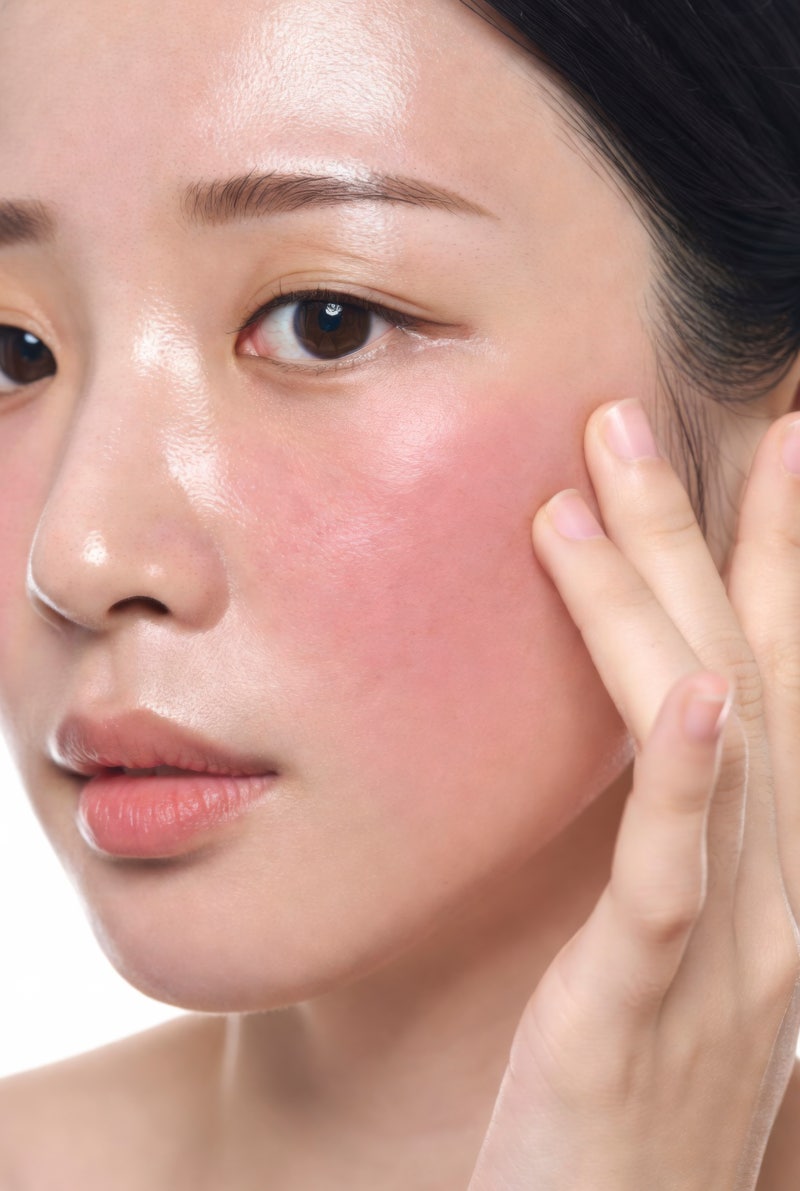
Bruising, swelling, pain, redness, and itching may appear, and small lumps may be temporarily felt.
In many cases these settle within days to a few weeks, though individual timelines vary.
A few weeks later
If a new lump appears after you initially felt fine, or an existing lump grows or becomes painful, it should be checked.
Several months later
Although rare, nodules or inflammatory reactions can appear long after treatment.
Rather than assuming “it's been a while, so it should be fine,” it's safer to have it checked by a doctor whenever you notice a change.
4. What to tell us at your pre-treatment consultation. Yongsan Hilloweave nodules
The starting point for reducing the risk of nodules is sharing accurate information with your medical team.
Please make sure to tell us the following before treatment.
Current medical conditions, especially autoimmune or bleeding-related disorders
Allergies (medications, injectables, etc.)
Medications you are taking, especially blood thinners such as aspirin or anticoagulants
Previous fillers or injection treatments and any reactions afterward
Whether there is any inflammation or infection at the treatment site
Whether you are pregnant or breastfeeding
If there is inflammation or infection at the treatment site, it should be treated first and the procedure postponed,
and depending on your condition, the treatment may not be appropriate.
5. Post-treatment care and precautions. Yongsan Hilloweave nodules
Do not press or massage the treated area forcefully.
Avoid applying makeup for about 12 hours after treatment.
For the time being, avoid heat exposure such as saunas, jjimjilbang (Korean bathhouses), and strong sunlight.
It's also best to refrain from drinking, smoking, and intense exercise.
Even if there is bruising or swelling, do not touch or squeeze the area on your own.
Specific timelines may vary from clinic to clinic,
so please follow the aftercare instructions you received first.
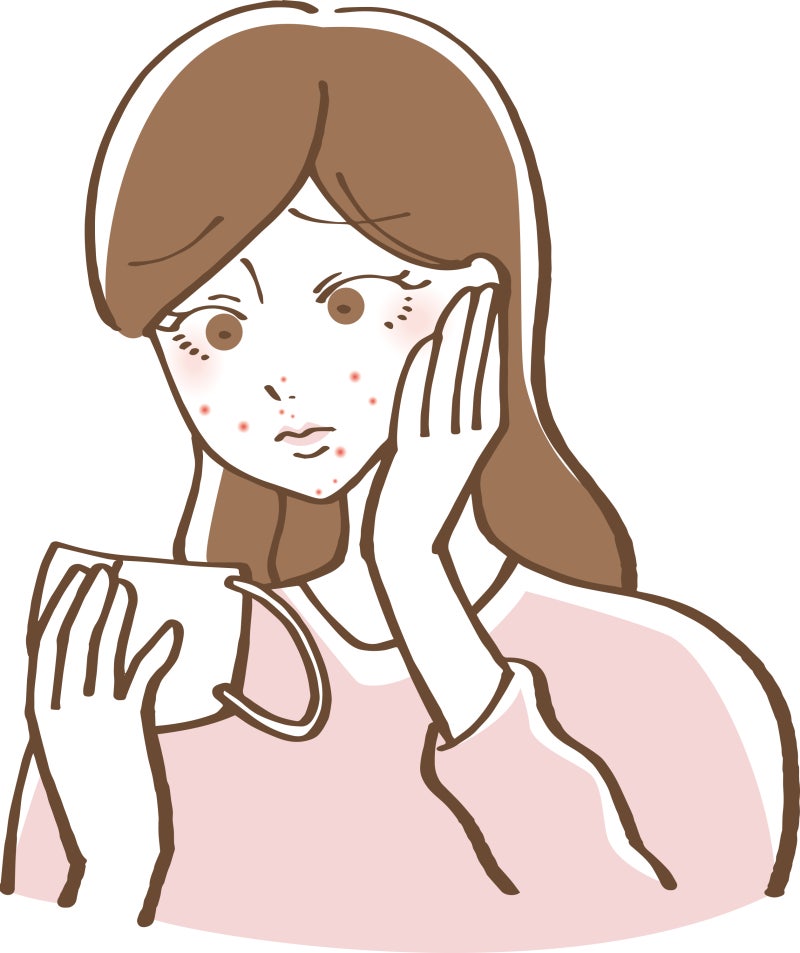
6. Don't wait on these signs. Contact us right away! Yongsan Hilloweave nodules
The symptoms below are not a “wait and see” situation. Contact the clinic right away.
Severe pain that is unusual for you right after treatment
Blurred vision or a feeling that what you see has changed
Near the treatment area
These symptoms can be linked to the filler possibly affecting blood vessels, so prompt evaluation is important.
If you cannot reach the clinic or are experiencing any vision changes, please go to the nearest hospital emergency room first.
You should also seek a consultation if any of the following apply:
A new lump that you feel after a few weeks of no problems
A lump that grows or becomes painful
One area that stays swollen and red
7. Yongsan Hilloweave nodules: Frequently asked questions
Q1. Will I definitely get nodules if I have Hilloweave?
No. They do not occur in everyone. However, individual responses vary and we cannot say they will never occur, so it's important to know in advance what can happen and how to respond.
Q2. Is a lump felt right after treatment a nodule?
Right after treatment, the injected area may temporarily feel bumpy. In most cases it subsides over time, but if it persists, grows, or becomes painful, it should be checked.
Q3. Can nodules still appear months later?
Rarely, yes. If a new lump appears after some time has passed, don't judge it on your own. Please have it examined.
Q4. Can nodules be dissolved if they form?
The approach depends on the product's ingredients and the condition of the nodule. The appropriate method is determined after an examination, and it's safest not to decide or treat it yourself.
Q5. How can I prevent nodules?
The practical approach is to accurately disclose your medications, allergies, and past treatment history at your pre-treatment consultation, follow the aftercare instructions, and get checked early if anything changes.
With Hilloweave, the most important things are to research thoroughly before treatment and not to miss any changes afterward.
Please feel free to tell us about the areas you're concerned about, any medications you're taking, and any treatments you've had before. We'll go through everything with you one by one.
Thank you for reading this long article today.
Have a great day :)