2026-09-16
Warts near Sinbanpo Station: Why Accurate Differentiation Comes First
Discover why accurately distinguishing warts from calluses and corns near Sinbanpo Station is crucial for effective treatment and preventing viral spread.


Many people notice a bump on their foot and simply dismiss it, assuming it is just a callus. In reality, it is often a wart. We frequently encounter cases where individuals attempt to treat it using callus removers or exfoliating products, only visiting the clinic after the lesion has enlarged or spread to surrounding areas. Warts around Sinbanpo Station can look very similar on the surface to other hyperkeratotic lesions, but the critical problem is that their underlying causes and proper management methods are entirely different. This is precisely why identifying the exact condition is the crucial first step in determining the right course of treatment.
Why Accurate Differentiation Must Come First: Warts near Sinbanpo Station
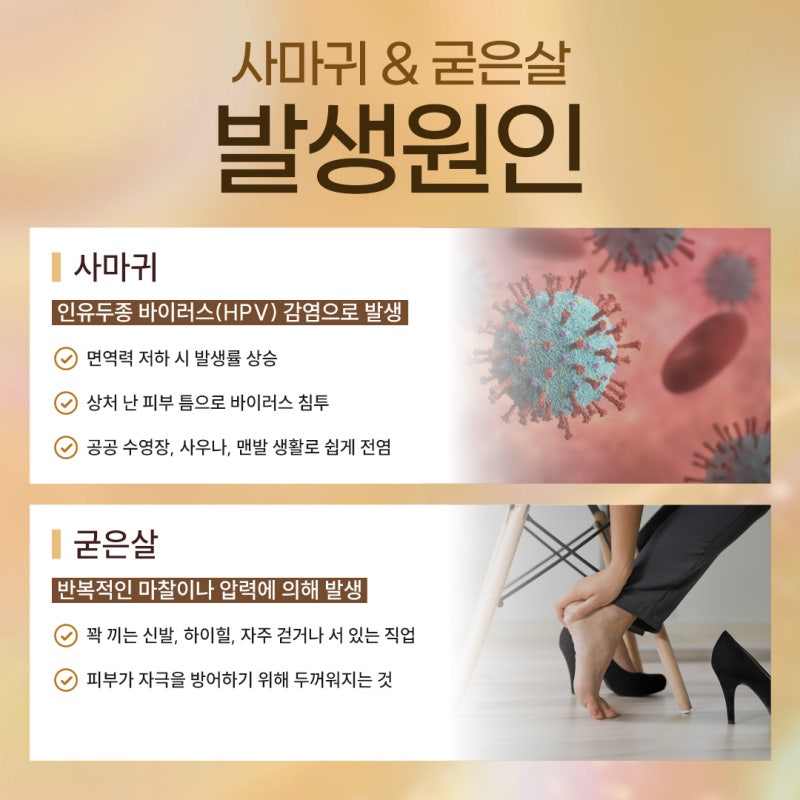
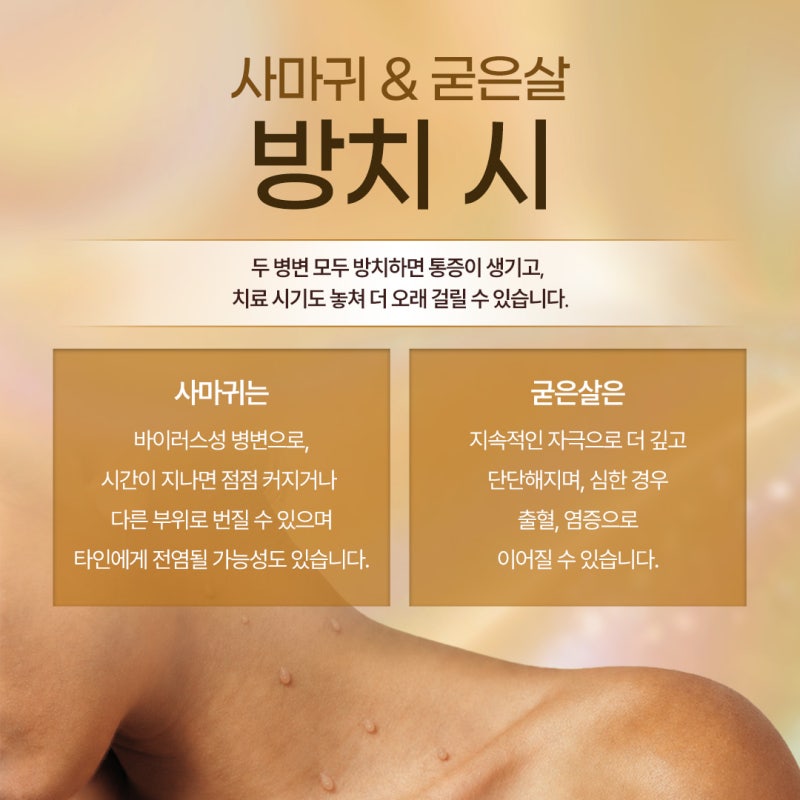
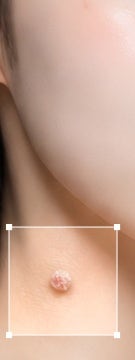
A wart is a lesion caused by human papillomavirus (HPV) infection that induces abnormal proliferation of epidermal cells. It is contagious, meaning that leaving it untreated can lead to it spreading to adjacent skin or other individuals. In contrast, calluses and corns are hyperkeratotic skin reactions caused by repeated friction and mechanical pressure, and they are not contagious. Because the causes differ, applying keratolytic agents or physical scraping methods meant for calluses onto a wart can irritate the lesion, causing it to grow larger or multiply. This is why professional medical consultation is strongly recommended over self-diagnosis when a wart is suspected near Sinbanpo Station.
Symptoms That Can Be Confused with Warts: Sinbanpo Station Warts
Category | Wart | Callus | Corn |
Cause | HPV viral infection | Repeated friction/pressure | Repeated friction/pressure |
Surface | Rough, tiny black dots (capillaries) may be visible | Smooth and uniformly thickened | Hard central core present |
Pain | Often painful when squeezed/pinched | Generally minimal or painless | Distinct pain upon direct pressure |
Contagious | Yes | No | No |
Change in Count | Can multiply if untreated | Tends to remain constant | Tends to remain constant |
While the presence of tiny black dots on the surface and a tendency to multiply are key clues suggesting a wart, they alone do not guarantee 100% accurate differentiation. When in doubt, visual inspection and clinical examination by a doctor are essential for confirmation.

Self-Check for Warts near Sinbanpo Station
Are there tiny black dots visible on the surface of the bump?
Has the lesion increased in size or number over time?
Have family members who touch the same area developed similar lesions?
Did callus removal products fail to work or make the condition worse?
Has the type or intensity of pain changed when walking or applying pressure?
If several of the above criteria apply to you, it is safest to receive a clinical evaluation to verify whether you have a wart.
Treatment Approach Following Diagnosis: Sinbanpo Station Warts
Once an accurate diagnosis is established, treatment options such as cryotherapy or laser therapy are selected depending on the location, size, and number of lesions. Treated areas may temporarily experience redness or a stinging sensation, followed typically by scab formation and peeling during the healing process. Because warts have a tendency to recur, it is more realistic to approach them with ongoing monitoring and supplemental sessions if needed, rather than assuming a single session will eradicate them permanently.
Even for a small bump, distinguishing between a callus and a wart is the most dependable start to preventing unnecessary irritation and misjudgment. If you are uncertain, we advise visiting a clinic for a professional examination.
Thank you for taking the time to read this article today.
FAQ: Warts near Sinbanpo Station
Q1. The bump seemed to grow larger after using a callus remover. Could it be a wart?
Applying keratolytic agents or physical abrasion to a wart can irritate the viral lesion, causing it to enlarge or spread. If you notice unusual changes, we recommend having it properly diagnosed by a doctor.
Q2. If there are no black dots, does that mean it isn't a wart?
Black dots are merely one clinical clue, not an absolute requirement. A lesion can still be a wart even without visible dots, making self-evaluation solely based on appearance unreliable.
Q3. Are special tests needed for diagnosis?
In most cases, an initial visual examination by a physician is sufficient, with further diagnostic procedures conducted only if deemed necessary.
Q4. What happens if it is misdiagnosed and left untreated?
Because warts are contagious, the infection can spread to nearby skin or other people. As the number of lesions grows, the required treatment area and complexity increase as well.
Q5. Does treatment begin immediately after consultation?
The clinician will first assess the state of the lesion and design a personalized treatment plan based on its location and count during your consultation.


















Frequently Asked Questions
If a lesion gets larger after using a callus remover, is it likely a wart?
Yes, there is a strong possibility it is a wart. Because warts are viral lesions, applying callus softeners or physical friction can stimulate the virus, causing the lesion to expand or spread to surrounding skin. You should consult a medical professional.
Can it still be a wart even if no black dots are visible?
Yes, it can be a wart even without visible black dots. The tiny black dots on the surface are simply thrombosed capillaries serving as an indicator, but their absence does not rule out a wart. A clinical evaluation is necessary.
Are specialized tests required to determine if it is a wart?
No, most cases are initially diagnosed through a visual examination. A dermatologist evaluates the lesion's appearance and clinical features first, proceeding with additional confirmatory steps only if warranted.
What happens if I mistake a wart for a callus and ignore it?
The virus can spread to surrounding skin or to other people. Warts are contagious, so leaving them untreated can cause them to increase in number and size, requiring more extensive treatment later.
Can a wart be completely cured with a single treatment?
No, because warts have a tendency to recur, ongoing observation and follow-up sessions may be needed. After treatments such as cryotherapy or laser therapy, the lesion scabs over and sheds, and step-by-step care is provided as required.