2026-10-02
Scar Treatment at Express Bus Terminal Dermatology: Depressed Scars vs. Pigmented Marks
Understand the differences between depressed scars and pigmented marks, and discover how dermatology clinics around Express Bus Terminal approach customized scar treatments.
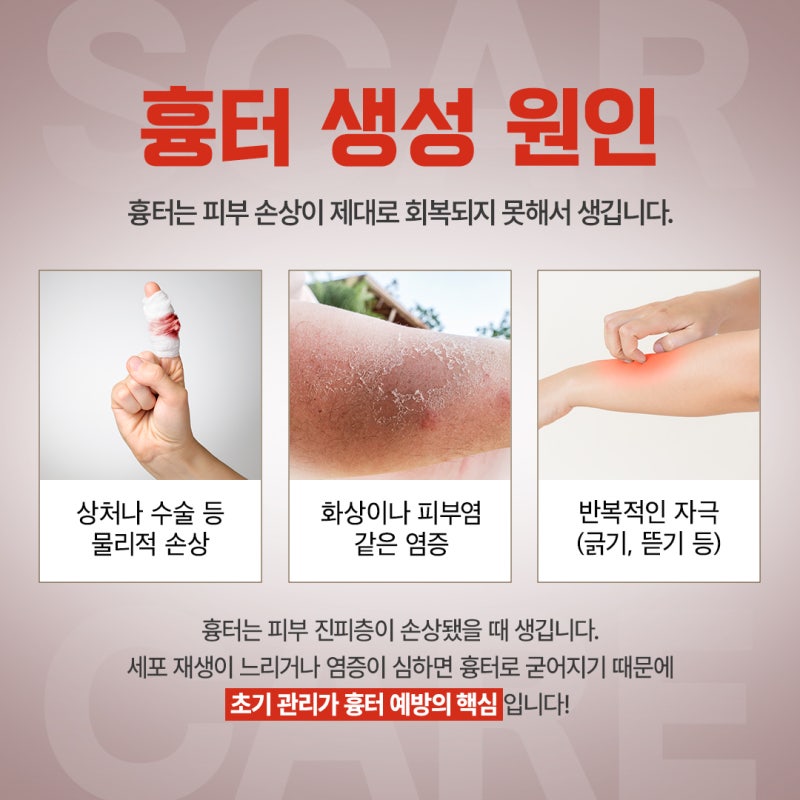

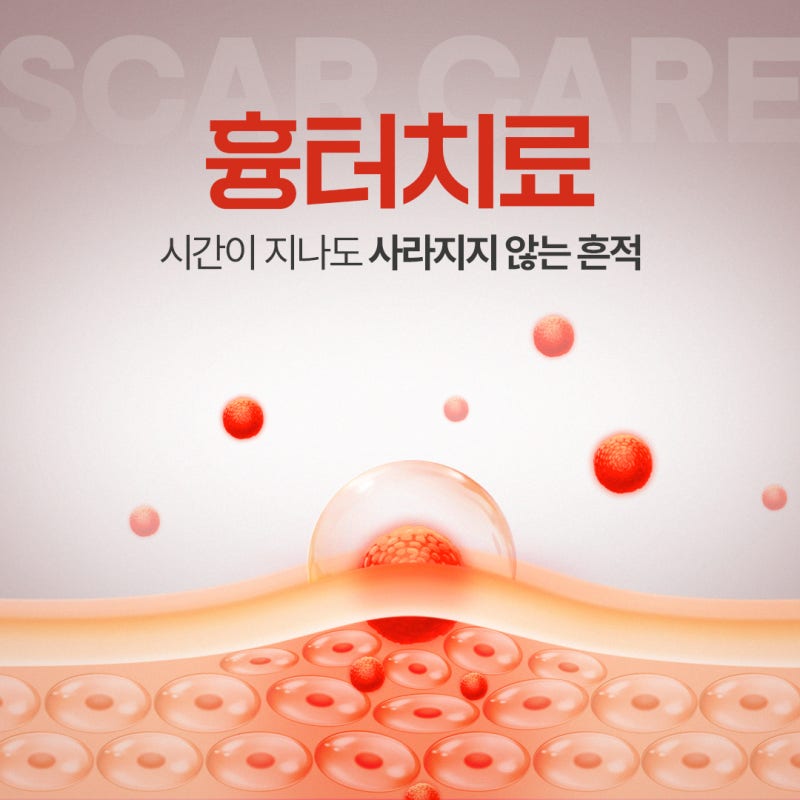
Although all scars may look similar at first glance, the approach to treatment varies significantly depending on their shape, depth, and underlying cause.
If you are looking into scar treatments around Express Bus Terminal dermatology clinics, the very first step is identifying which type of scar you have.
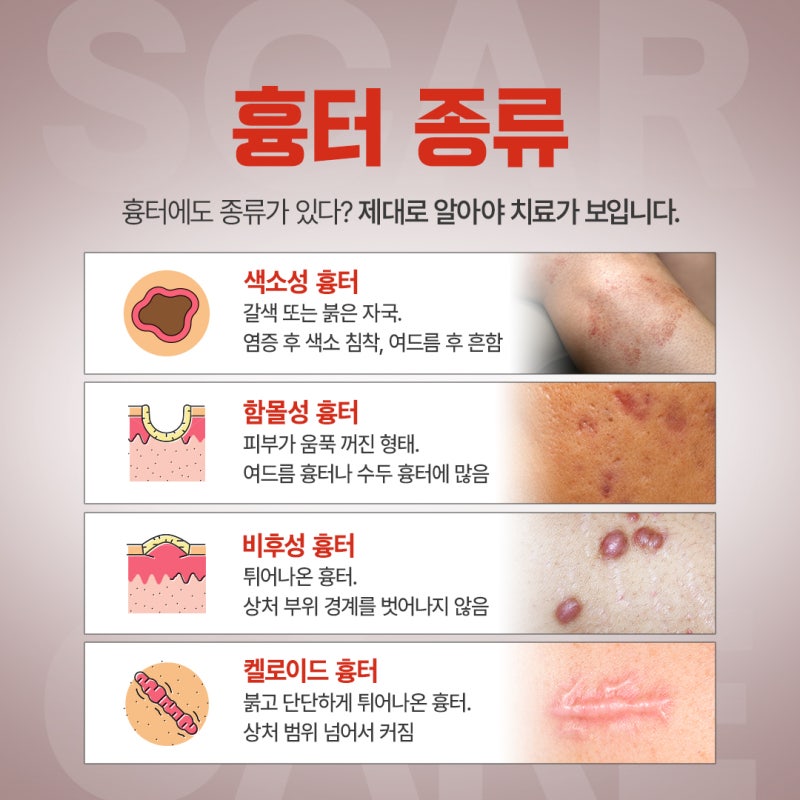
1. Classifying Scar Types — Express Bus Terminal Dermatology Scar Treatment
➀ Depressed Scars (Atrophic Scars)
This is the most common form following acne breakouts. They are typically categorized into narrow, deep icepick scars, sharply defined boxcar scars, and gently sloping rolling scars.
② Red or Brown Marks (Pigmented/Erythematous Marks)
In this case, the skin surface is smooth and flat, with only lingering discoloration. Strictly speaking, these are differentiated from depressed scars, and reddish marks may fade naturally over time.
➂ Raised Scars (Hypertrophic Scars & Keloids)
These occur when scar tissue overgrows, such as in hypertrophic scars or keloids. Their treatment strategy is entirely different from that of depressed scars.
➃ Surgical and Traumatic Scars
The therapeutic approach depends heavily on the location, direction, and duration of the original wound.
Because multiple scar types often coexist on a single face, relying solely on photos can be misleading. Having your skin evaluated in person by a specialist ensures the most accurate diagnosis.
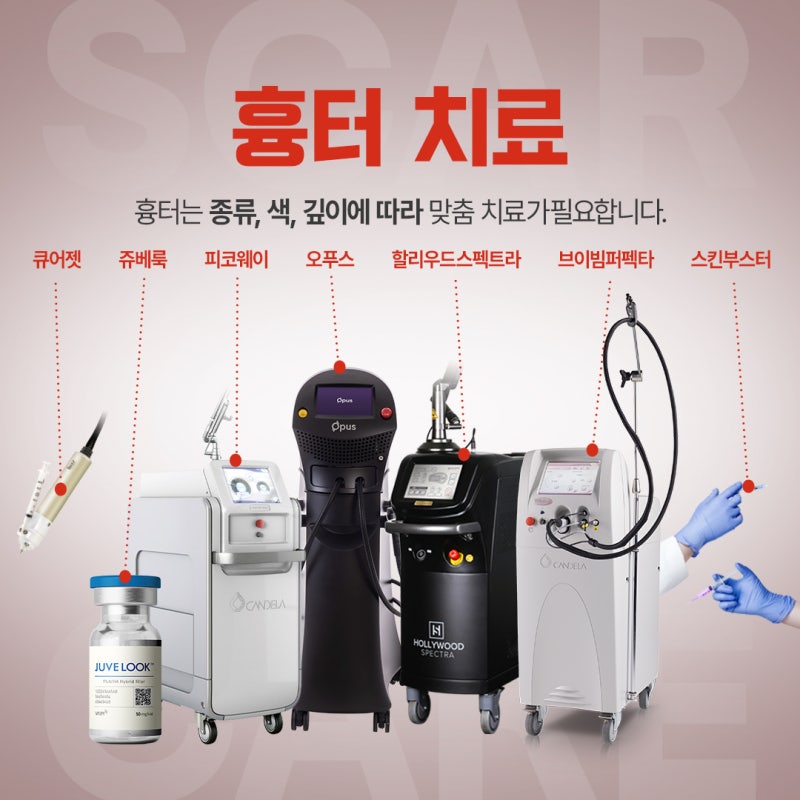
2. Key Features of Scar Treatment Methods — Express Bus Terminal Dermatology
Method | Purpose | Primary Target Scars |
Regenerative Treatments (Laser, RF, etc.) | Induces dermal regeneration response | Depressed scars, uneven skin texture |
Subcision & Tissue-Releasing Procedures | Frees tethered, deeply anchored fibrous bands | Deep or tethered atrophic scars |
Volumizing Treatments (Dermal Fillers, etc.) | Restores volume to sunken depressions | Select depressed scars (temporary duration) |
Pigment/Vascular Lasers & Topicals | Reduces redness and hyperpigmentation | Red or brown marks |
Injections, Compression, Lasers | Softens and reduces overgrown scar tissue | Raised (hypertrophic/keloid) scars |
No single technique solves all types of scarring. Even for depressed scars, combining multiple modalities tailored to their individual depths and contours often yields the best outcomes.
3. What Factors Determine Your Treatment Plan? — Express Bus Terminal Dermatology
The type, depth, and extent of the scars
Presence of active acne or ongoing inflammation
Your skin type and susceptibility to post-inflammatory hyperpigmentation (PIH)
Available recovery downtime
Previous aesthetic procedures and how your skin responded
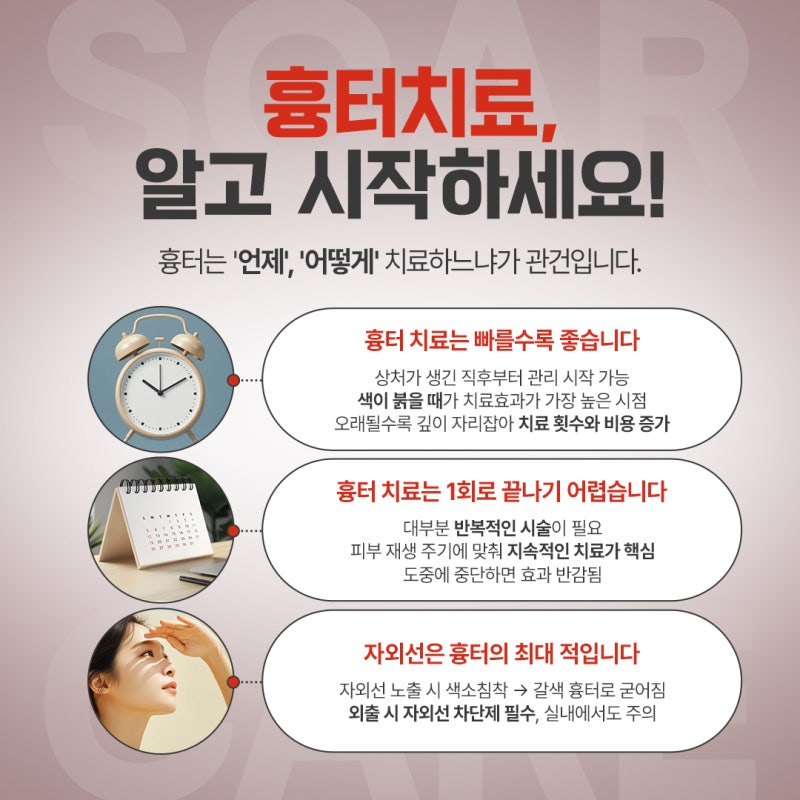
Scar revision is rarely a one-time treatment; it typically requires several sessions spaced out over regular intervals to monitor clinical progress.
Results and the degree of improvement naturally vary by individual.
4. Pre- and Post-Treatment Precautions — Express Bus Terminal Dermatology
Picking scabs or squeezing acne can aggravate tissue damage and worsen scarring.
Consistent moisturization and strict sun protection are vital after every session.
It is generally advised to avoid alcohol, saunas, vigorous workouts, and chemical or physical exfoliants immediately following treatment.
Be sure to inform your doctor beforehand about any current medications, pregnancy or breastfeeding, a history of keloids, or herpes simplex flare-ups.
5. Checklist Before Booking a Consultation — Express Bus Terminal Dermatology
Does the clinic examine your scar type thoroughly in person and explain it clearly?
Do they offer balanced information on the pros and cons of various modalities?
Are the expected session counts, overall timeline, recovery stages, and potential side effects discussed upfront?
Is there a dependable follow-up system in place should you experience unexpected side effects?
Because scar revision usually requires multiple visits spaced over time, travel distance and appointment convenience are also practical aspects to keep in mind.
6. When to Seek Medical Evaluation Promptly — Express Bus Terminal Dermatology
If a scar continues to enlarge or becomes swollen, red, and raised
If the scar site becomes itchy, painful, or begins weeping fluid
If the appearance of the scar causes significant distress or interferes with your daily life
Frequently Asked Questions (FAQ) — Express Bus Terminal Dermatology
Q. Can I still receive treatment if I have a keloid-prone constitution or tend to develop raised scars?
Raised scars require an entirely different treatment approach compared to depressed scars, so please inform us beforehand. We will assess your skin constitution and medical history before choosing a safe, appropriate modality.
Q. Can I return to my daily routine immediately after the procedure?
Downtime varies depending on the specific procedure, with differing periods of redness, swelling, or light flaking. If you have an important event coming up, let us know during your consultation so we can tailor the method and schedule to fit your timeline.
Q. Can I begin scar therapy if I still have active breakouts?
If active inflammatory acne is present, it is often best to calm the breakouts first and calibrate treatment intensity accordingly. However, you don't necessarily have to wait until every breakout disappears; we assess your skin on the day of treatment to set the ideal sequence and intensity.
Q. How many sessions will I need?
Because requirements vary widely based on scar type, depth, and surface area, a universal number cannot be specified. Treatment typically involves a series of sessions at scheduled intervals, with individual variations in response. Your dermatologist will outline an estimated plan during your consultation.
Q. Can mature, older scars still be treated?
Even if scars formed years ago, treatment options can still be considered depending on their condition. Since older, fibrous scars are firmly set, a single method may have limitations, making combination therapies worth considering.
Thank you for taking the time to read this guide.