2026-10-11
Express Bus Terminal Station Stem Cell Treatment: Complete Guide to 4 Things to Check Before Your Procedure
A guide to key checks before stem cell treatment at Express Bus Terminal Station, covering how it works, how it differs from fillers, a pre-treatment checklist, and side effects.



"Back then, just a few days of effort could make my face look completely different. These days, even with the same care, it just doesn't show the way it used to."
Recently, more and more people have been bringing up this kind of concern during consultations. Among those looking into skin care near Express Bus Terminal Station, many first talk about how their skin's overall elasticity and radiance no longer feel the way they used to, rather than focusing on a single wrinkle.
Dryness keeps coming back, skin texture turns rough, and firmness starts to slip as well. One option people often turn to during these times is stem cell injection. Today, for those researching stem cell treatment at Express Bus Terminal Station, we'll walk through how the procedure works and what to keep in mind.
1. Why Your Skin Condition Changes – Express Bus Terminal Station Stem Cell
As we age, our skin changes in three main ways. First, collagen and elastin production declines, and firmness fades. Second, the skin barrier weakens, reducing its ability to retain moisture. Third, cell renewal slows down, and overall tone and texture become dull.
Because these three changes happen at the same time, more people find that moisturizing alone has its limits. Those seeking stem cell treatment at Express Bus Terminal Station are mostly looking to manage this combination of changes.
2. How Stem Cell Injection Works – Express Bus Terminal Station Stem Cell
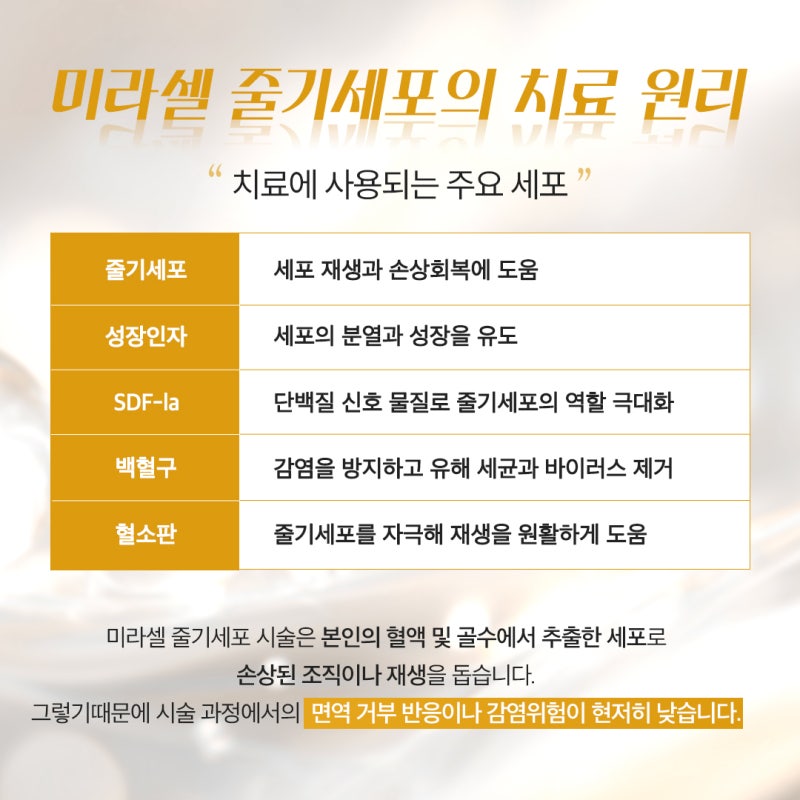
Stem cell injection extracts and concentrates active ingredients such as growth factors and exosomes from your own blood, then uses them. This approach is fundamentally different from fillers or collagen injections, which add external substances to the skin.
Category | Filler | Collagen Injection | Stem Cell Injection |
Mechanism | Volume replenishment | Collagen stimulation | Use of autologous blood components |
Primary goal | Volume enhancement | Improved skin texture | Overall skin condition management |
Maintenance | Regular treatments required | Repeated treatments recommended | Significant individual variation |
That said, this table is a general comparison of characteristics. Which treatment is right for you depends on your skin condition and concerns. Some people combine two or more treatments.

3. Pre-Treatment Checklist – Express Bus Terminal Station Stem Cell
If you're preparing for a consultation on stem cell treatment at Express Bus Terminal Station, we recommend reviewing the items below in advance.
Whether you are currently taking any medications (especially those related to blood clotting)
Whether you have recently undergone other procedures (such as fillers or Botox)
Whether your skin is sensitive or inflamed
Whether you can set aside time for recovery after the procedure
These items must be confirmed during your consultation with medical staff. Whether a treatment is possible and how it should be done may vary depending on your personal health status.
4. Side Effects and Precautions – Express Bus Terminal Station Stem Cell
Stem cell injection uses components derived from your own blood, so it is widely known to carry a relatively low risk of rejection. However, that doesn't mean it is completely free of side effects. Swelling, bruising, and temporary redness may appear at the treatment site, and in rare cases, infection or allergic reactions can occur.
Also, not everyone sees the same changes. Results vary from person to person depending on constitution, skin condition, and lifestyle habits. Going through a thorough consultation beforehand to confirm that the approach suits your situation is important.
Thank you for reading this long post today.
Frequently Asked Questions (FAQ) – Express Bus Terminal Station Stem Cell
Q1. How long does stem cell treatment at Express Bus Terminal Station take?
From blood collection through the procedure itself, it usually takes about 1 to 2 hours, though this may vary depending on your individual condition.
Q2. Can I go back to my daily routine right after the procedure?
In most cases, you can resume daily activities the same day. However, swelling or bruising may linger, so it's best to allow some extra time before important appointments.
Q3. How many sessions do I need before I notice results?
The recommended number of sessions depends on your skin condition and concerns, so it's important to build a plan that fits you through a consultation.
Q4. Can it be combined with other treatments?
In some cases, combining treatments is possible, but you should always consult with medical staff to decide the order and timing between procedures.
Q5. How should I take care of my skin after the procedure?
Sun protection and moisturizing are the basics. Skin-stimulating care such as massage or exfoliation is generally recommended to be avoided for a certain period of time.