2026-09-18
Exploring Pigmentation Programs near Sinbanpo Station: From Custom Laser Treatment to Post-Care
A guide to understanding facial pigmentation, tailored laser treatments, recurrence causes, and post-procedure care at clinics near Sinbanpo Station.

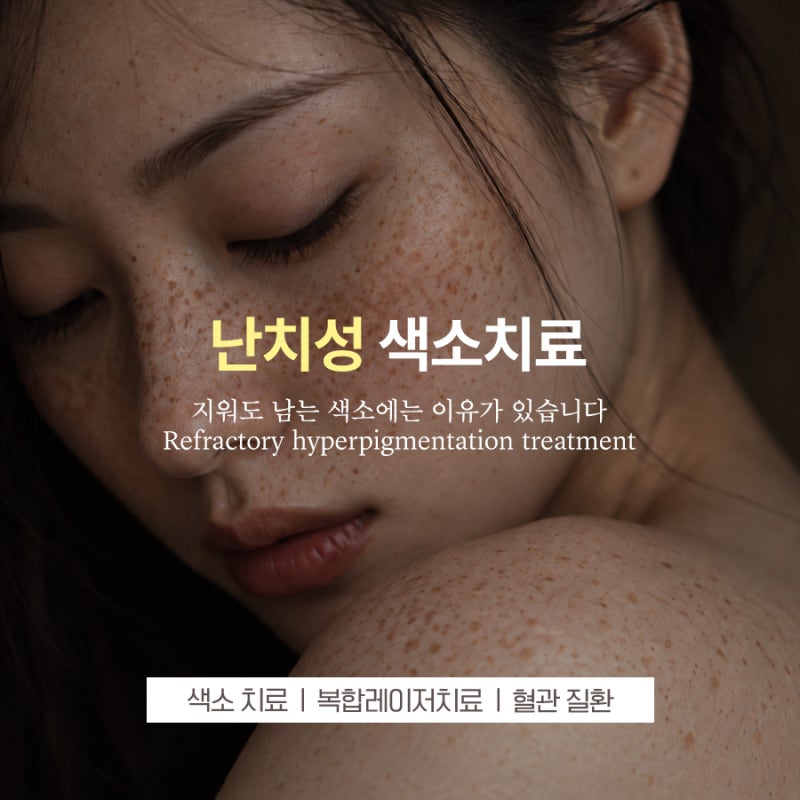
The morning breeze has turned quite crisp when stepping out of the house. As the hot summer fades into autumn, our wardrobes gradually shift as well. Around this time of year, when taking a closer look in the mirror, blemishes and brown spots that were neglected during the summer often catch the eye. In particular, those who have received pigment treatments in the past might find themselves wondering: “Why are the pigments that faded away starting to show up again?” There are actually more reasons than you might think behind pigmentation becoming noticeable once more.
Not All Pigmentation Is the Same: Pigmentation Programs near Sinbanpo Station
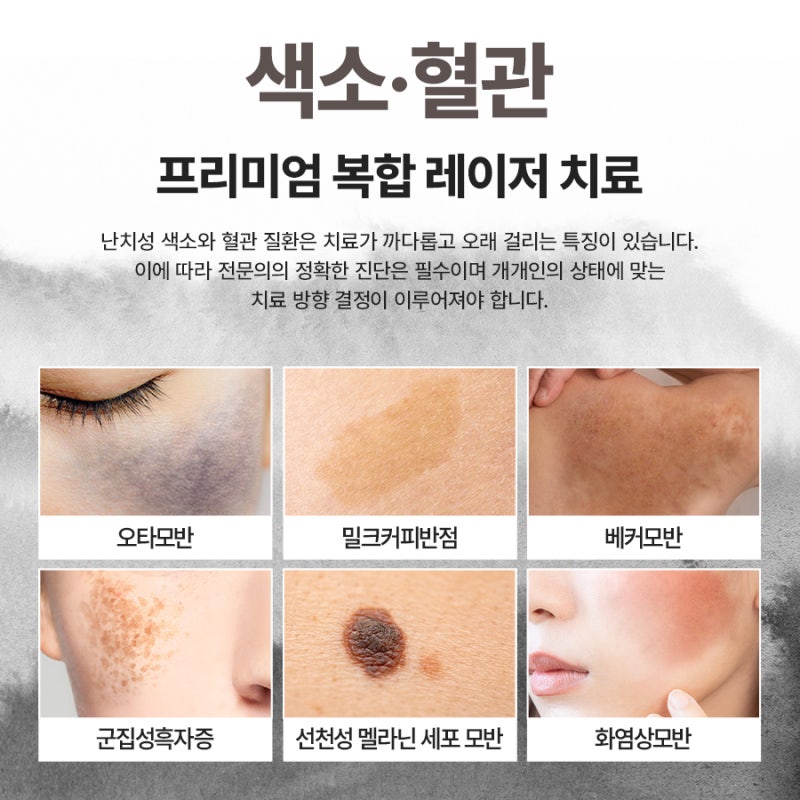
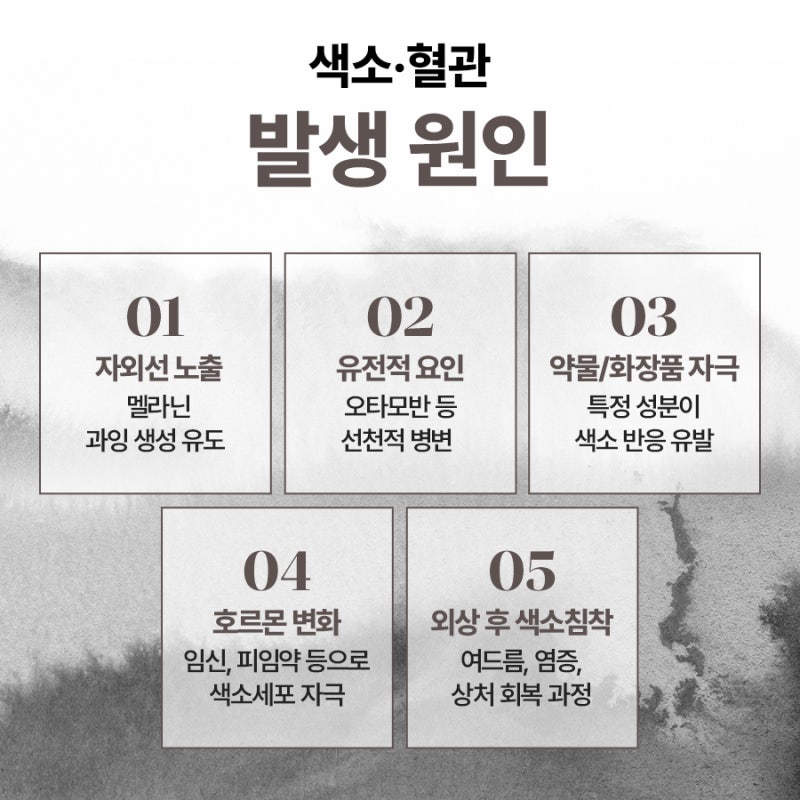
Just because it appears brown on the skin, it is easy to assume everything is melasma or simple sunspots. However, pigmentary lesions actually vary widely: from pigments triggered by ultraviolet (UV) radiation and post-inflammatory hyperpigmentation (PIH), to congenital or deeper-lying lesions like Nevus of Ota and café-au-lait spots. Even if they look similar on the surface, the approach must differ if the cause and the depth of the pigment are different.
Therefore, when looking into pigmentation programs near Sinbanpo Station, the priority should be identifying exactly what type of pigment is present on your skin, rather than simply focusing on which laser device is most famous.
Why Does It Seem to Darken Again? Pigmentation Programs near Sinbanpo Station
When pigmentation reappears after a certain period following treatment, it does not necessarily mean the exact same pigment has recurred. In some cases, residual pigment that remained beneath the surface gradually moves upward and becomes visible over time. In other cases, continuous exposure to UV rays stimulates the production of new melanin.
Additionally, repeated inflammation or irritation can leave post-inflammatory hyperpigmentation behind. As autumn brings more outdoor activities and longer hours in the sunlight, it is advisable for anyone who has undergone pigment treatments to reassess their skin condition as the seasons change.
More Important Than 'Strong' Is the Right Approach for Your Skin: Pigmentation Programs near Sinbanpo Station
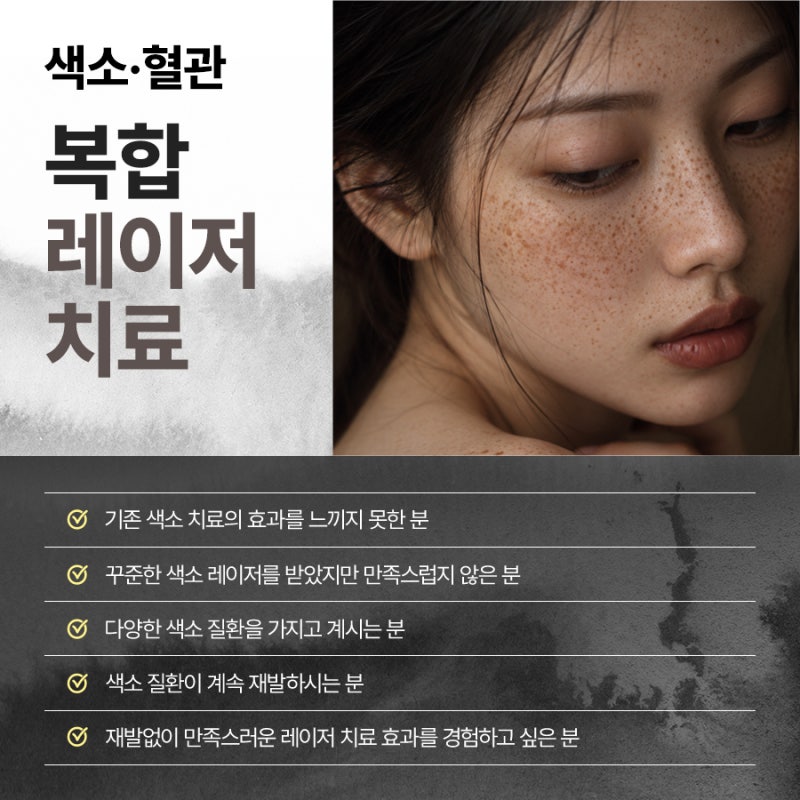
When thinking of a pigmentation program, people often focus on laser intensity or session frequency first. However, approaching treatment with unconditionally high energy does not guarantee superior results. One must comprehensively consider which layer of the skin the pigment resides in, the exact type of lesion, and how sensitive the skin currently is. For example, Nevus of Ota, where pigment sits deep in the dermal layer, requires a different approach compared to superficial blemishes. Conversely, if excessive irritation is repeatedly applied to an already sensitive skin barrier, it may lead to post-inflammatory hyperpigmentation instead.
Ultimately, what matters most is adjusting the intensity and treatment intervals to match the specific characteristics of the pigment. For this reason, when choosing a pigmentation program near Sinbanpo Station, it is best to check whether the clinic thoroughly evaluates your skin condition and designs a personalized management plan, rather than basing decisions on device names alone.
Everyday Prevention Matters After Treatment: Pigmentation Programs near Sinbanpo Station
Post-treatment care cannot be overlooked. The most fundamental step is sun protection. Although autumn sunlight may feel less intense than summer, UV rays remain active. Apply sunscreen consistently before heading outdoors, and use hats or parasols on days with prolonged outdoor activities. It is also important to minimize habits that irritate the skin. Immediately following a procedure, avoid aggressive physical exfoliants or scrubbing vigorously, and ensure adequate hydration to keep the skin from drying out.
Checkpoints When Exploring Pigmentation Programs near Sinbanpo Station
Checkpoint | Details to Confirm |
Pigment Type | Differentiating melasma, sunspots, Nevus of Ota, etc. |
Pigment Depth | Whether it resides in the epidermis or dermis |
Skin Condition | Sensitivity and presence of inflammation |
Treatment Method | Laser selection and energy level suited to skin state |
Post-Care | UV protection and irritation control |
Pigmentation cannot be resolved with a single procedure yielding identical results for everyone.
This is why it is essential to first identify what type of pigment has developed on your skin and pair it with a tailored care plan.
Thank you for taking the time to read this guide.
Frequently Asked Questions: Pigmentation Programs near Sinbanpo Station
Q. Why does pigmentation darken again after treatment?
A. Pigments influenced by UV rays, such as melasma, can reappear even after treatment. Consistent sun protection and ongoing skin maintenance are crucial.
Q. Are stronger laser settings always more effective?
A. Not necessarily. Setting the appropriate energy level and interval based on the pigment's type, depth, and the skin’s baseline condition is far more important.
Q. Can I skip sunscreen during autumn?
A. No. UV radiation still impacts the skin throughout autumn. If pigmentation is a concern, sun protection should be maintained year-round regardless of the season.
Q. My skin appears darker after the pigmentation program. Is this normal?
A. Temporary post-inflammatory hyperpigmentation can occur due to laser stimulation. If the discoloration persists or worsens, having your skin evaluated by a professional is recommended.
Q. Are melasma and Nevus of Ota treated using the same approach?
A. Both conditions differ in depth and biological characteristics. Rather than using the exact same method, treatment modalities must be tailored to the specific nature of each pigment lesion.