2026-11-02
Bangbae Acne Program: Why You Should Check the Cause by Facial Area First
Explains why acne recurs in the same spots, how to tell acne types apart, common causes by facial area, and the main treatment options in a Bangbae acne program.


As temperature and humidity rise together, the discomfort index keeps climbing. During this time of year, sweat and sebum production increase, and as body heat rises, skin tends to become more sensitive. In the clinic, we often hear patients say, "My acne always flares up in summer." In this article, we'll go over the causes and treatment options that people researching the Bangbae acne program most often want to know about.
Why does acne keep recurring in the same areas? Bangbae acne program
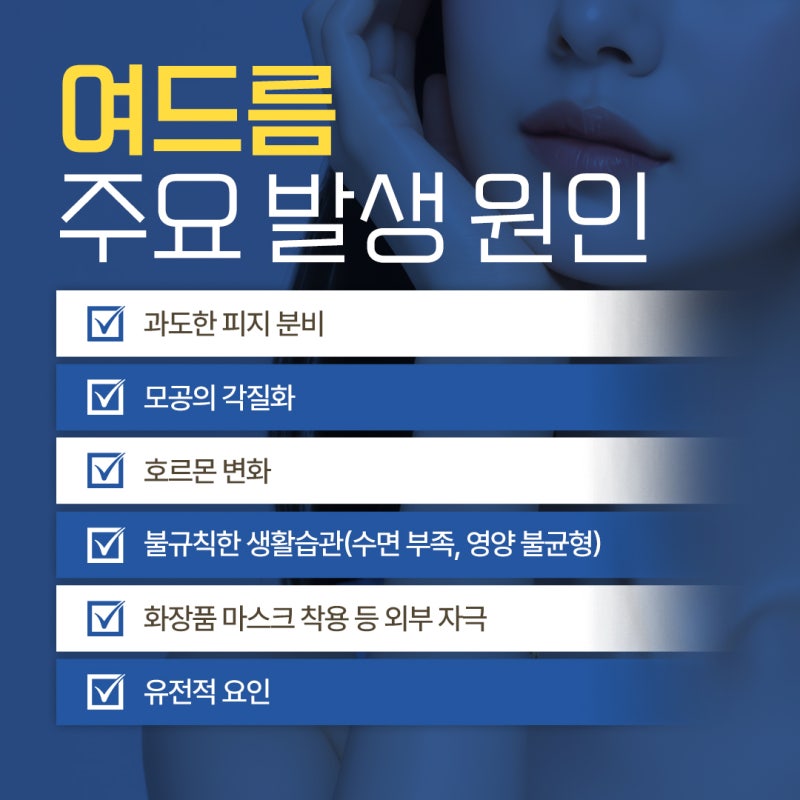
Acne is not simply caused by excess sebum. It is a chronic inflammatory skin condition that results from a complex interplay of abnormal keratinization of the pore lining, the amount of sebum produced, proliferation of C. acnes, and the resulting inflammatory response. Hormonal changes, stress, lack of sleep, diet, and even the ingredients in the cosmetics or sunscreen you use can also have an effect.
That is why one or two rounds of extraction or spot treatments often fail to bring lasting improvement. In areas where adult acne tends to appear, such as the jawline and lower cheeks, hormonal factors are frequently involved. If treatments are repeated without identifying the cause, acne can return quickly.
Acne: Know the type first. Bangbae acne program
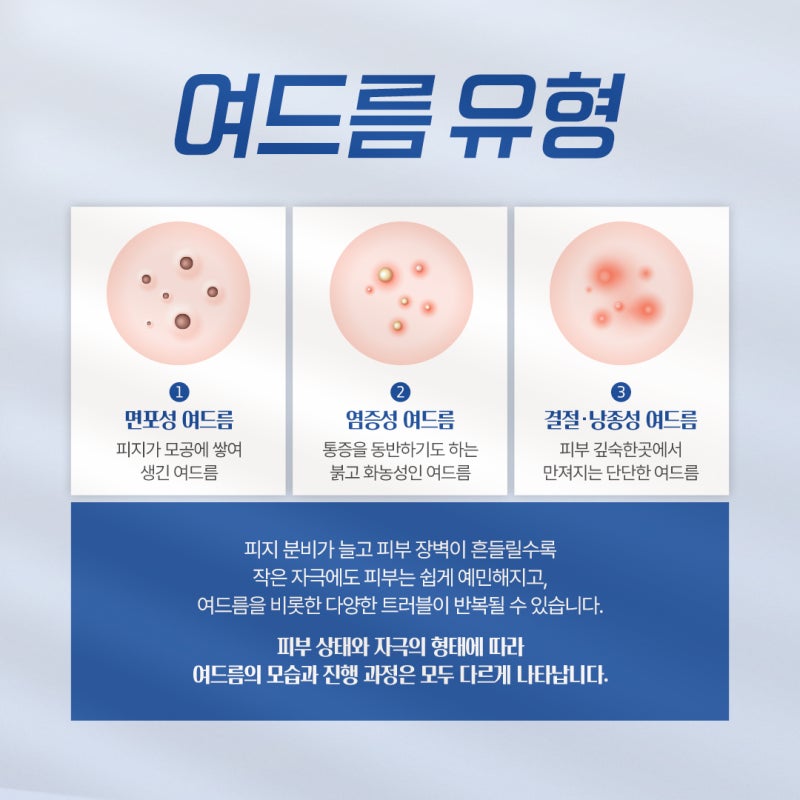
Even though they are all called "acne," the management approach differs depending on the form. Broadly, they can be divided as follows.
Non-inflammatory acne (comedonal): Clogged pores without inflammation, such as whiteheads and blackheads. If left untreated, they can easily progress to inflammatory acne.
Papular and pustular acne: Red, raised bumps or pus-filled lesions. Squeezing them forcefully by hand can spread inflammation to the surrounding tissue.
Nodular and cystic acne: Inflammation extends into the deeper layers of the skin, forming firm lumps that can be felt under the surface. These are often painful and carry a relatively high risk of scarring, so active management from the early stage is recommended.
Whether extraction is helpful, when and how it should be done, and whether medication is necessary all depend on the type of acne. That is why it is more important to have a professional examination to determine your current stage than to rely on self-diagnosis.
Causes may differ by facial area. Bangbae acne program
Where acne tends to appear varies from person to person, but there are factors commonly associated with each area. Please keep in mind, however, that these are general tendencies only. The exact cause can only be determined by looking at an individual's skin and lifestyle patterns together.
Area | Common factors |
Forehead | Irritation from bangs and hair products, wearing hats, sebum secretion |
Around the nose | Dense sebaceous glands; an area where blackheads frequently form |
Cheeks | Friction from masks, contact with pillows and phones, irritating cosmetics |
Chin and jawline | Often linked to hormonal changes (e.g., menstrual cycle) |
Back and chest | Sweat, friction from clothing, and areas with high sebum output |
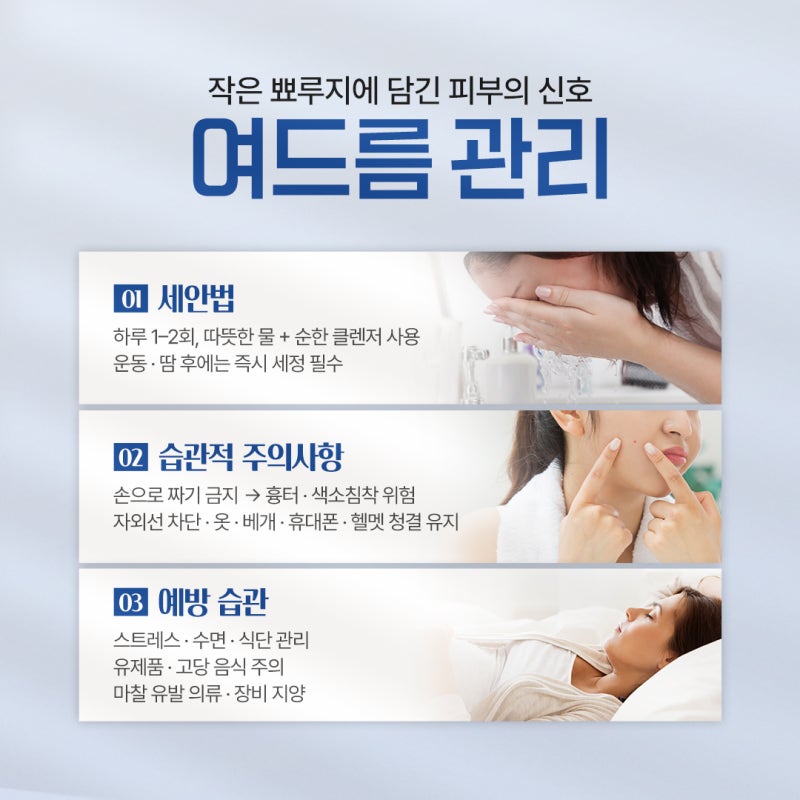
Area-based tendencies are only a reference. Even with chin acne, in some people factors other than hormones may play a bigger role. That is why discussing your recent lifestyle patterns during a consultation (sleep, stress, products you use, menstrual cycle, etc.) helps identify the cause.
What acne treatment methods are available? Bangbae acne program
Approaches vary from clinic to clinic, but generally the following methods are combined depending on your condition.
Method | Main purpose | Things to note |
Medication (topical/oral) | Controlling inflammation and regulating sebum production | May take several weeks or more to show results |
Extraction and comedone removal | Immediate improvement in appearance | Separate from addressing root causes; needs to be combined with ongoing care |
Laser and light therapy | Reducing inflammation, preventing recurrence | Response may vary depending on skin type |
Chemical peeling | Exfoliation and pore care | For sensitive skin, adjusting the intensity is important |
Lifestyle counseling | Managing recurrence triggers | Reviewing diet, sleep, and cosmetic habits |
What I want to emphasize here is that no single treatment, whatever the method, can guarantee that acne will "disappear completely after just one session." Because response speed and extent vary with each person's skin condition and lifestyle, programs are typically designed after an initial consultation to assess the skin before setting a direction.
Rather than declaring acne fully cured, a realistic goal is to stabilize your skin through consistent care. If you are considering the Bangbae acne program, the most important step is to get an accurate assessment of your skin and build a care plan suited to it.
Thank you for reading this long article.
Frequently asked questions: Bangbae acne program
Q1. How many sessions does an acne program usually take?
It varies greatly depending on skin condition and the severity of acne. After an initial consultation to assess your current state, the usual approach is to check progress every few weeks and adjust accordingly.
Q2. Do I need to change my cosmetics or sunscreen too?
If you are using products containing ingredients that tend to clog pores (comedogenic ingredients), adjustments may be necessary. It helps to bring the products you currently use to your consultation so they can be reviewed together.
Q3. Will extraction alone be effective?
It helps remove visible comedones, but if underlying sebum and inflammation are not managed at the same time, acne can recur quickly.
Q4. Can I wear makeup right after a treatment?
It depends on the type of treatment. If the skin was irritated, it is often recommended to let it calm down for a while before applying makeup, so please follow the instructions from your treating medical staff.
Q5. Is adult acne managed the same way as teenage acne?
Because the causes can differ, the approach is also different. For adult acne, hormones, stress, and lifestyle habits are often examined together.